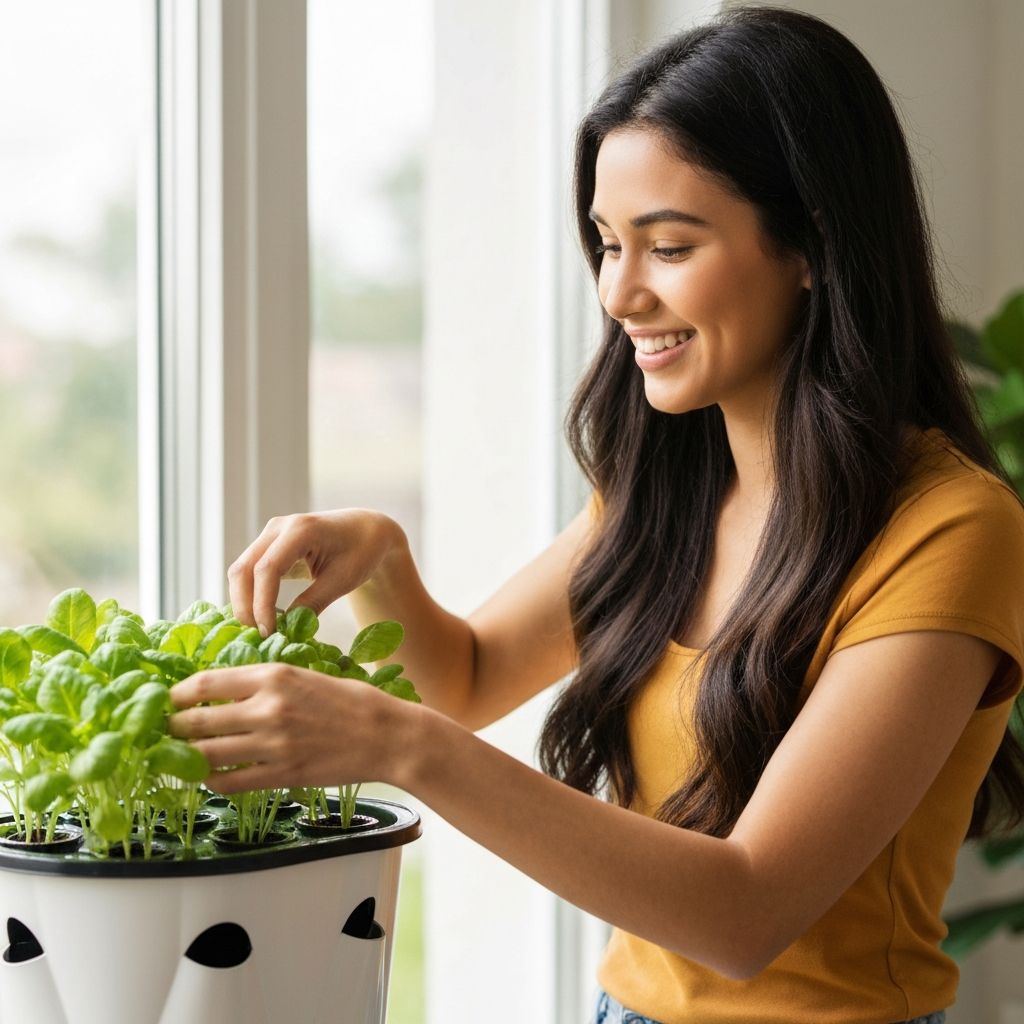
Vertical farming is revolutionizing how we grow food in urban environments. By stacking growing layers vertically and using controlled environment agriculture (CEA) techniques, you can produce fresh produce year-round regardless of outdoor weather conditions.
Why Start Vertical Farming?
Vertical farming offers numerous advantages over traditional agriculture. You can grow crops using up to 95% less water through hydroponic or aeroponic systems. The controlled environment eliminates the need for pesticides, and you can harvest fresh produce within steps of your kitchen or business.
Choosing Your System Type
There are three main types of vertical farming systems:
Hydroponic Systems - Plants grow in nutrient-rich water solutions without soil. This is the most common method for beginners due to its simplicity and lower maintenance requirements.
Aeroponic Systems - Plant roots are suspended in air and misted with nutrient solutions. This method uses even less water but requires more precise monitoring.
Aquaponic Systems - Combines fish farming with plant cultivation. Fish waste provides nutrients for plants, while plants filter water for fish.
Essential Equipment
To start your vertical farm, you'll need:
1. Growing Structure - Shelving units, tower systems, or wall-mounted planters 2. LED Grow Lights - Full-spectrum lights that provide the right wavelengths for photosynthesis 3. Growing Medium - Rockwool, clay pebbles, or coco coir 4. Nutrient Solution - Balanced hydroponic nutrients for your crop type 5. pH and EC Meters - Essential tools for monitoring water quality 6. Timer System - For automating lights and irrigation
Your First Crops
Start with fast-growing, forgiving crops:
- Lettuce - Ready in 30-45 days, very beginner-friendly - Spinach - Quick growing with high nutritional value - Herbs (basil, mint, cilantro) - Compact and aromatic - Microgreens - Harvest in just 7-14 days
Setting Up Your Environment
Maintain these conditions for optimal growth:
- Temperature: 65-75°F (18-24°C) for most leafy greens - Humidity: 50-70% relative humidity - Light: 12-16 hours of light per day - Air Circulation: Gentle airflow prevents mold and strengthens stems
Common Beginner Mistakes
Avoid these pitfalls:
1. Overwatering - Roots need oxygen too; don't drown them 2. Incorrect pH - Most plants prefer 5.5-6.5 pH range 3. Too Much Fertilizer - Start with half-strength nutrients 4. Poor Ventilation - Stagnant air leads to disease 5. Inconsistent Lighting - Use timers for consistent schedules
Pro Tips
- •Start small with 4-6 plants before scaling up
- •Keep a growing journal to track what works
- •Join online communities for support and advice
- •Test your water source before adding nutrients
- •Clean your system between crop cycles